Choosing the correct piping gadget can outline the long-term efficiency and safety of any water infrastructure undertaking. UPVC water pipe tactics have emerged as a strong alternative for municipal ingesting water, agricultural irrigation, and sewage programs. Unlike usual ingredients, UPVC combines sturdiness with corrosion resistance, minimizing renovation at the same time as making certain compliance with ultra-modern hygiene and safety requisites.
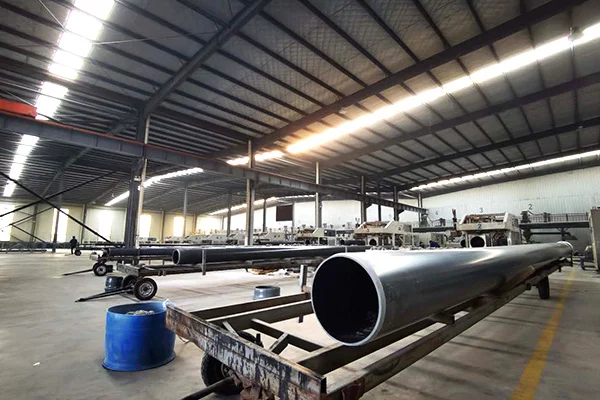
Why UPVC Pipes Are a Practical Choice
Urban water supply networks face challenges resembling fluctuating pressures, chemical publicity, and the need for lengthy carrier lifestyles. UPVC pipe for water supply meets these demands by a blend of cloth balance and engineered design. In exercise, installations in residential neighborhoods reveal minimum leakage over years, even if running lower than pressures of 6 to 16 bar. The rigid yet light-weight nature of UPVC also simplifies transportation and decreases setting up labor when compared to metallic selections.
Applications in Irrigation and Agriculture
For agricultural tasks, UPVC pipe for irrigation gives constant water circulate devoid of contamination chance. Farmers in semi-urban regions usually record that excellent sized UPVC networks take care of uniform distribution, regardless of whether turning in water to row vegetation or greenhouse systems. Unlike metal or older PVC variants, UPVC resists algae buildup, which could disrupt pass and clog emitters. Additionally, its chemical resistance guarantees compatibility with fertilizers and water remedy ingredients.
Sewage and Wastewater Management
Handling sewage calls for pipes that face up to corrosive elements and fluctuating temperatures. UPVC pipe for sewage meets those standards whilst asserting gentle interior surfaces that limit blockages. In municipal initiatives, the pipes’ dimensional stability reduces joint rigidity, and standardized fittings simplify community growth or preservation. Engineers most commonly decide upon UPVC over traditional material as it balances structural integrity with long-term value performance.
Compliance and Standards
Quality and regulatory compliance are central for public infrastructure. UPVC systems conforming to ISO1452 make sure hygienic water start at the same time minimizing chemical leaching. This accepted also covers stress ratings, joint efficiency, and long-term durability. In practice, contractors via certified UPVC products file fewer guaranty problems and smoother approvals from regional specialists, reinforcing the cloth’s repute for reliability.
Installation Considerations
Successful UPVC pipe set up relies upon on right making plans and managing. Key issues incorporate:
- Correct pipe sizing to fit go with the flow prices and strain requirements
- Use of incredible solvent cement or gasketed joints for leak-loose connections
- Adequate guide spacing to stop sagging in horizontal runs
- Protection from direct daylight at some point of garage to decrease UV degradation
While the drapery is light-weight, installers observe that reducing and becoming a member of pipes calls for careful alignment. Improper procedures can compromise power functionality or lessen service existence, enormously in excessive-rise water distribution approaches or irrigation networks spanning quite a few hectares.
Performance Benefits
UPVC pipes integrate a couple of overall performance blessings that cause them to desirable for numerous purposes:
- Corrosion resistance: No rusting or chemical degradation even in competitive environments
- Longevity: Service life occasionally exceeds 50 years in municipal and agricultural setups
- Low repairs: Smooth inner surfaces in the reduction of friction losses and clogging
- Cost efficiency: Lightweight pipes decrease installing and transportation costs
- Hygiene: Complies with ISO standards for potable water delivery
Practical Insights from Field Experience
Field observations in urban water projects reveal that integrating UPVC pipe strategies simplifies protection planning. Valve replacements, community extensions, and emergency maintenance are speedier and safer compared to metallic picks. For irrigation projects, the modularity of UPVC pipes facilitates phased deployment, letting farmers amplify networks in response to seasonal water needs. Similarly, in wastewater tactics, smooth bore designs cut pumping vitality and reduce sediment buildup, making recurring cleansing less familiar.
Choosing the Right UPVC Pipe
Selecting the correct UPVC pipe requires consciousness to diameter, wall thickness, and supposed utility. Engineers almost always select thicker pipes for prime-stress mains although deciding on smaller diameters in distribution or irrigation lines. Matching the pipe specification to local water chemistry, flow requisites, and soil circumstances guarantees efficiency longevity. Reliable suppliers additionally grant documentation verifying ISO1452 compliance, simplifying regulatory approval.
Conclusion
Whether for urban water distribution, agricultural irrigation, or sewage management, UPVC pipes bring reliability, hygiene, and long-term price potency. By combining corrosion resistance, ease of deploy, and compliance with ISO ideas, they be offering a pragmatic resolution throughout assorted packages. For engineers and contractors looking a flexible and sturdy piping formulation, exploring upvc water pipe alternatives is a pragmatic step closer to green water management. Learn more and evaluate the comprehensive product selection at UPVC Pipe for Sewage.
Leave a Reply